A $5 coffee is never really $5. Once you account for what that money could have become, the price tag on your daily habits looks very different. This is the idea at the heart of Pace: every dollar you spend today is a small trade against your future, and the most honest way to measure that trade isn’t in dollars – it’s in time.
Why dollars hide the real cost
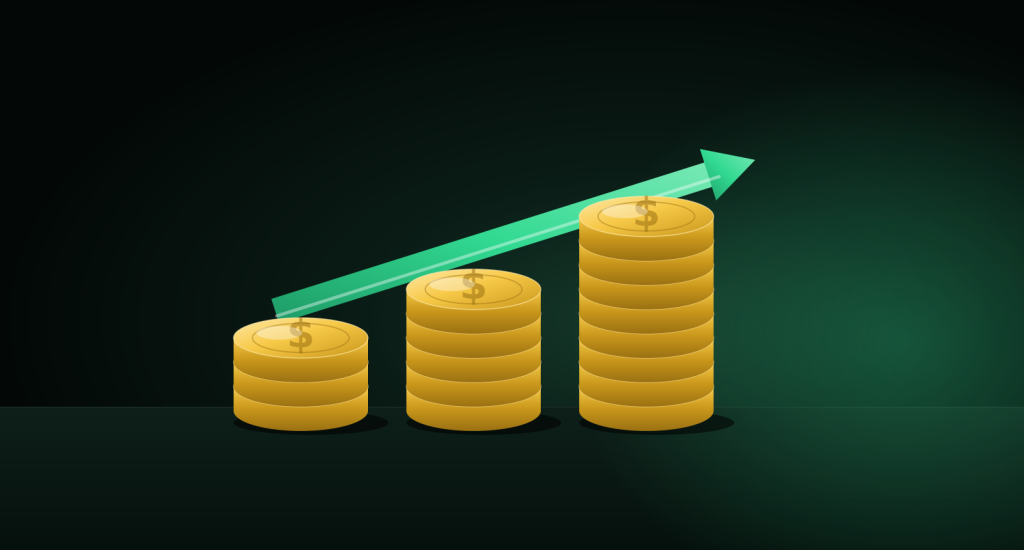
When you see a price, your brain compares it to the cash in your account right now. That’s a useful instinct for the checkout line, but a terrible one for long-term decisions. The number on the receipt ignores the most important thing about money: it grows. A dollar left invested doesn’t stay a dollar. Over decades, it multiplies.
So the true cost of a purchase isn’t what you hand over at the register. It’s what that same amount would have become if you had kept it working for you. Economists call this opportunity cost. Pace simply makes it visible.
From dollars to days
Here’s the reframe that changes behavior. Instead of asking “Can I afford this?”, ask “How much of my future does this cost?”
Imagine you spend roughly $5 a day on a coffee you could make at home – about $1,800 a year. Invested steadily over a few decades at a typical long-run market return, that habit alone could grow into a meaningful five-figure sum. Suddenly the question isn’t whether you can spare $5. It’s whether the coffee is worth pushing your financial freedom back by weeks or months.
The point isn’t that coffee is bad. It’s that you deserve to know the real trade you’re making – and then decide on purpose.
This isn’t about guilt
It would be easy to read all this as “stop enjoying your life.” That’s exactly the opposite of the goal. Restriction-based budgeting fails because it treats every pleasure as a leak to be plugged. People burn out, rebound, and feel worse about money than when they started.
Measuring spending in time does something kinder. It lets you spend intentionally. When you can see that a weekend trip costs you, say, a couple of weeks of your timeline, you can decide it’s absolutely worth it – and enjoy it without the background hum of guilt. Meanwhile, the habits you don’t actually care about become easy to cut, because you can finally see what they’re really costing.
Three small shifts that move your timeline
- Name your recurring leaks. Subscriptions you forgot, delivery fees, the convenience markup on things you buy on autopilot. These are the purchases with the lowest joy-per-dollar, which makes them the easiest wins.
- Automate the redirect. The money you free up only helps if it goes somewhere. Set an automatic transfer so saved spending becomes invested spending without requiring willpower each month.
- Keep the purchases you love. Protect the spending that genuinely improves your life. Intentional money is sustainable money.
The compounding catch
The reason small purchases matter so much is the same reason small savings matter so much: time. A habit changed at 30 has decades to compound. The same change at 55 has far less runway. That’s not a reason to feel behind – it’s a reason to start with whatever you have today, because the most valuable input to your future isn’t the size of the dollar, it’s how long it gets to grow.
That’s the whole premise of a financial timeline. You don’t need to track every penny or live like a monk. You just need to see, clearly and honestly, how today’s choices shape the date you reach the life you want – and then make those choices on purpose.
Pace is a tool for understanding your financial timeline. The figures above are illustrative and not financial advice; investment returns vary and are never guaranteed. For decisions specific to your situation, consider speaking with a qualified financial professional.