Money is just stored time. You traded hours of your life to earn it, and every time you spend it, you’re trading it back – either for something today or for freedom tomorrow. Once you see money this way, the most important number in your finances stops being your balance. It becomes your date: the day you reach the life you’re working toward.
The problem with budgets
Budgets are backward-looking by design. They tell you what you spent last month and scold you when a category runs over. That’s useful for awareness, but it answers the wrong question. A budget can be perfectly balanced and still quietly steer you away from the future you want, because it never connects this month’s lattes and last-minute taxis to the year you actually get to stop working.
A budget measures discipline. A timeline measures destination. Most people don’t lack discipline – they lack a clear view of where their current path is taking them.
What a financial timeline actually shows
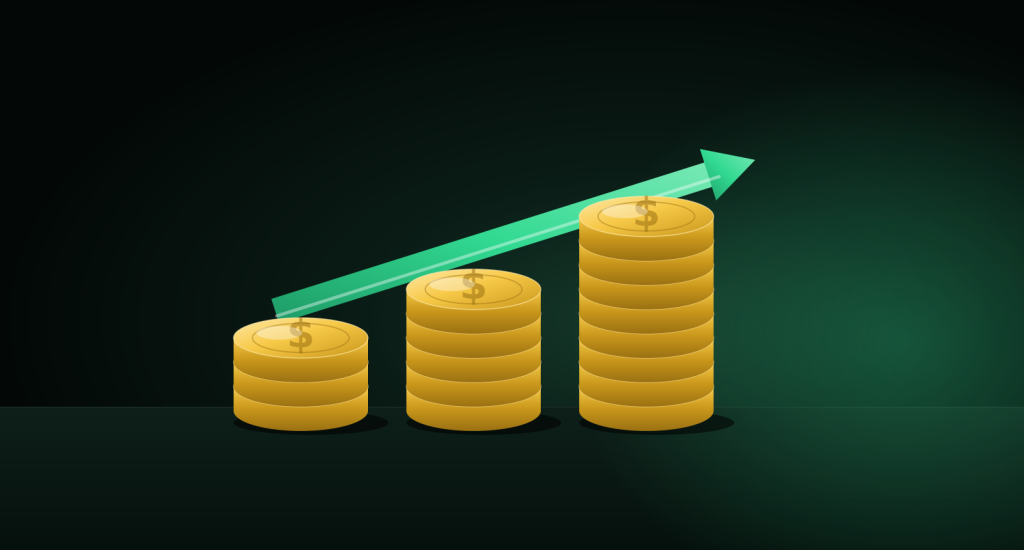
A timeline takes your income, your spending patterns, your savings, and your goals, and projects them forward into a single, honest picture: when you reach each milestone at your current pace. Hit a target like financial independence at 56 instead of 62? That gap is the real cost of your habits – and the real reward for changing them.
You can’t feel a percentage. But everyone understands “this decision moves my freedom date by three months.”
This is why time is a better unit than dollars. A 1% change in your savings rate is abstract. “Fourteen days closer to your goal this week” is something you can feel in your body. Time is the currency we’re all actually spending, so it’s the currency that actually changes behavior.
The three levers that move your date
- How much you keep. Not how much you earn – how much you keep. Two people on the same salary can have freedom dates a decade apart based purely on their savings rate.
- How early you start. Time in the market is the quiet superpower. Money invested in your twenties does work that money invested in your fifties simply can’t match, because it has more years to compound.
- How intentionally you spend. Every purchase is a small vote for “now” or “later.” Neither is wrong – but you should know which one you’re casting.
Spending without the guilt
Here’s the part people don’t expect: seeing your timeline usually makes you feel freer, not more restricted. When you know exactly what a purchase costs in time, you can say yes to the things you love with total confidence and cut the things you don’t even notice. The anxiety that comes from vague money guilt – the sense that you should always be doing more – gets replaced by clarity. You’re not depriving yourself. You’re choosing your trade-offs with your eyes open.
Start with the date, work backward
Traditional planning starts with rules: save 20%, spend no more than 30% on housing, and so on. Timeline thinking flips it. You start with the life you want and the date you want it, then let that destination shape today’s choices. The rules become consequences of a goal you actually care about, instead of arbitrary limits you resent.
You don’t have to optimize everything. You just have to know which direction you’re moving and roughly how fast. That awareness, more than any spreadsheet, is what turns money from a source of stress into a tool for the life you’re building.
Pace helps you visualize your financial timeline. Projections are illustrative, depend on assumptions about returns and behavior, and are not guarantees or financial advice. For guidance tailored to your circumstances, consult a qualified professional.